
Paris Salon Schism
Joint-Crisis Committee
Topic OverviewBirth of the Avant-Garde: Paris Salon Schism – Paris Salon vs. Salon des Refusés, 1863
It’s 1863 in Paris, and the city is on the eve of revolution. Unlike the revolution for which France is best known, this revolution is one of culture. This battle will be fought not through weapons, but through art, through ideas, and through the opinion of the public. The traditional art styles supported by l’Académie des Beaux-Arts in Paris set the standards for fine arts. As such, getting one’s art accepted by l’Academie could mark the beginning- or the end- of a successful career. The Paris Salon, sponsored by l’Académie and the French government, is an annual exhibit displaying the very best of French art. As so much significance is placed on this event, getting in is a grand challenge.
Each year, the standards by which artworks are selected become stricter and stricter, favouring ultra-refined and academic artworks and casting the experimental and rule-breaking to the side. Artists rejected from the Paris Salon have few options in finding recognition, as private exhibitions often fail to receive attention. That is, they have few options if they work alone. The pattern is clear to those who look: stray from the norm, get rejected; call out the standards, face ostracization. As more and more rejected artists catch on to this, they realize they must band together in order to create their own cultural movement and get their work and their values recognized.
Now, delegates enter the committees just days before the creation of the Salon des Refusés, a critical moment in Parisian art history. Delegates representing the Paris Salon will take on the roles of academics, government officials, and classical artists, fighting to remain in control of Parisian culture and artistry while balancing tradition with public opinion. In the Salon des Refusés, delegates will don the roles of Parisian community members, rejected artists, scorned intellectuals, and those who desire a counter-culture that values truth and individuality over conformity. Throughout the course of committee weekend, the two committees will go head to head in the ultimate Parisian battle- the battle for the hearts, minds, and artistic souls of the people which give Paris its dignified status in Europe and the world. Will the traditional methods supported by the Paris Salon remain triumphant, or will the new-comers and their modern ideals take the crown and change the history of Paris forever? Only time can tell.
Meet the Dais
Coordinating Crisis Director: Genevieve Hart

Chair (Paris Salon): Michael Battulga

Vice Chair (Paris Salon): Tullia Cowan

Crisis Director (Paris Salon): Nina Serengulian

Assistant Crisis Director (Paris Salon): Esme Takacs
Chair (Salon des Refusés): Yi Xi Huang
Crisis Director (Salon des Refusés): Daiwik Dhawan
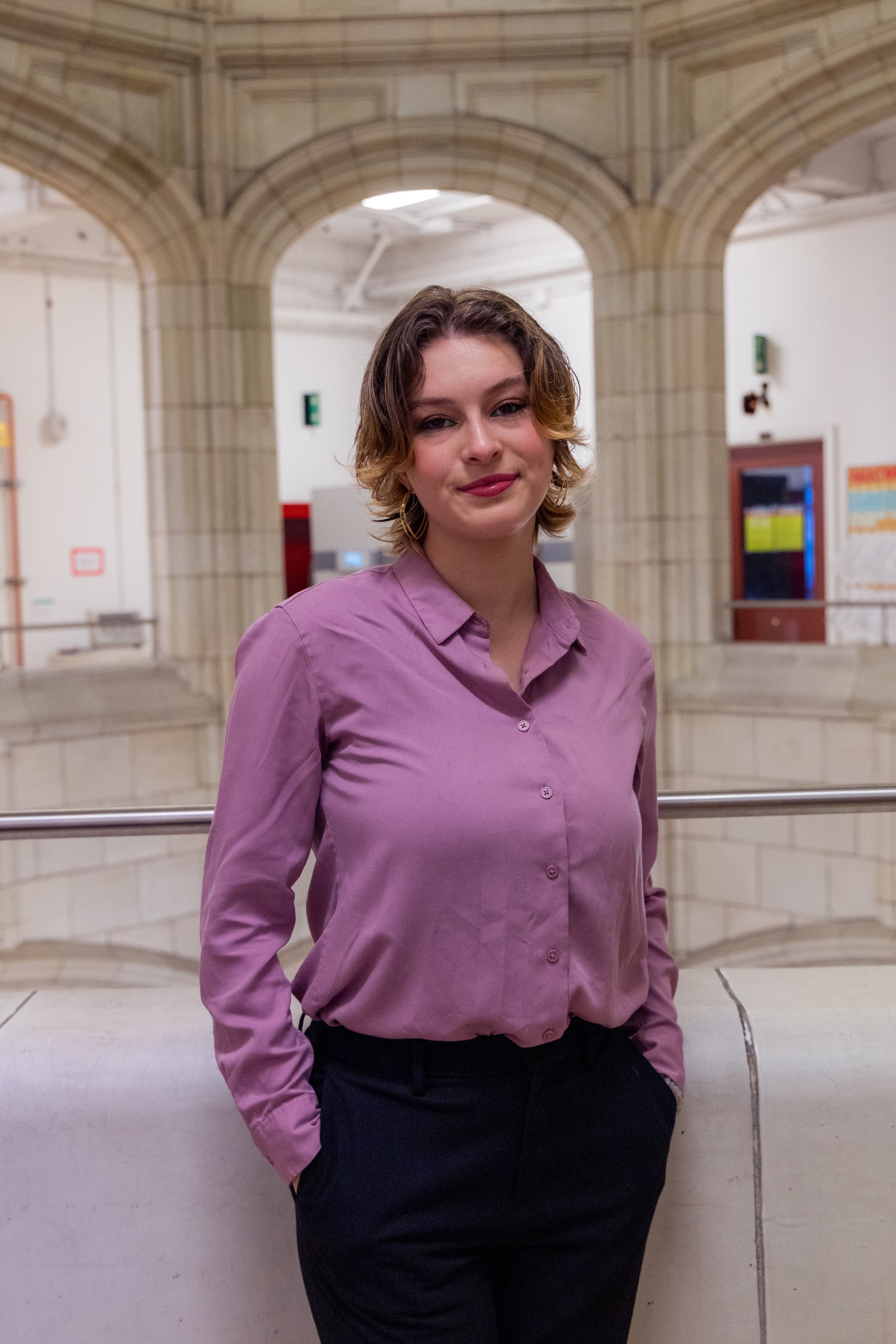
Vice Chair (Salon des Refusés): Morgane Ottmann
Assistant Crisis Director (Salon des Refusés): Nicolas Sosa